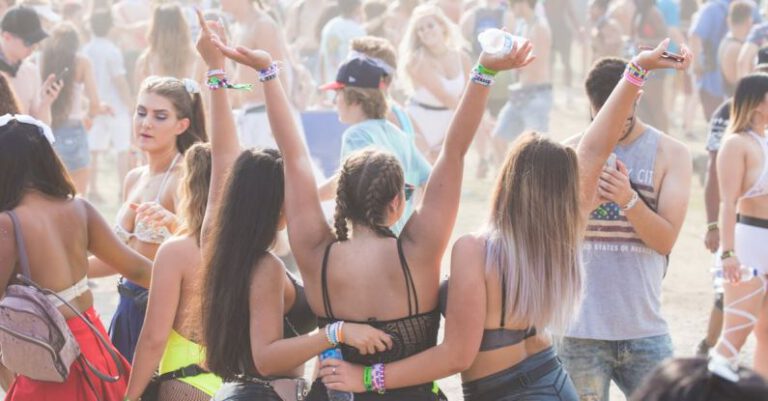

Music is a universal language that transcends borders and connects people from diverse backgrounds. It has the power to evoke emotions, tell stories, and express ideas in ways that words alone cannot. One of the most fascinating aspects of music is how it reflects the cultural identity of a particular group of people. Through melodies, rhythms, lyrics, and instruments, music serves as a mirror that reflects the values, beliefs, traditions, and history of a culture. In this article, we will explore how music serves as a powerful tool for expressing and preserving cultural identity.
**The Role of Music in Cultural Identity**
Music plays a significant role in shaping and preserving cultural identity. It serves as a means of communication that conveys the experiences, struggles, and triumphs of a community. Whether it is through traditional folk songs, celebratory dance music, or protest anthems, music reflects the collective consciousness of a culture. By listening to the music of a particular region or group, one can gain insights into their customs, beliefs, and way of life.
**Melodies and Rhythms**
One of the most distinctive ways in which music reflects cultural identity is through its melodies and rhythms. Different cultures have unique musical scales, modes, and rhythmic patterns that are passed down through generations. For example, the pentatonic scale commonly found in traditional Chinese music reflects the philosophical principles of balance and harmony in Chinese culture. Similarly, the syncopated rhythms of Afro-Cuban music mirror the complex history and cultural fusion of Cuba.
**Lyrics and Language**
The lyrics of a song are another crucial element that reflects cultural identity. Through the words of a song, artists can express their thoughts, emotions, and experiences in a way that resonates with their audience. Lyrics often touch on themes such as love, loss, politics, and social issues that are relevant to a particular culture. Furthermore, the language in which the lyrics are sung can also reveal insights into the cultural heritage of the musicians.
**Instruments and Sound**
The choice of instruments and sound production techniques in music can also provide clues about a culture’s identity. Different regions have distinct musical instruments that are integral to their traditional music. For example, the sitar in Indian classical music, the bagpipes in Scottish folk music, or the djembe in West African drumming all carry deep cultural significance. Additionally, the use of specific sound textures, effects, and production styles can further enhance the cultural authenticity of a musical piece.
**Cultural Exchange and Fusion**
In today’s globalized world, music has become a powerful medium for cultural exchange and fusion. Artists often draw inspiration from diverse musical traditions and incorporate elements from different cultures into their work. This cross-pollination of musical styles can result in innovative and exciting new genres that blend the sounds of the past with the trends of the present. Through collaborations and remixes, musicians can create music that transcends boundaries and unites people from around the world.
**Preserving Cultural Heritage**
In addition to reflecting cultural identity, music also plays a crucial role in preserving cultural heritage. By performing traditional songs, dances, and musical rituals, communities can keep their cultural traditions alive for future generations. Music serves as a link to the past, connecting people to their roots and providing a sense of continuity in a rapidly changing world. By honoring and celebrating their musical heritage, cultures can maintain a strong sense of identity and pride in who they are.
**Embracing Diversity in Music**
As we celebrate the diversity of musical expressions around the world, it is essential to recognize the role that music plays in reflecting cultural identity. By listening to and appreciating music from different cultures, we can gain a deeper understanding of the richness and complexity of human experience. Music serves as a bridge that connects us to our shared humanity while also celebrating the unique characteristics that make each culture distinct. In a world that is increasingly interconnected, music remains a powerful force for expressing, preserving, and celebrating cultural identity.