Europe is a continent teeming with rich history, diverse cultures, and breathtaking art. One of the best ways to delve into this wealth of heritage is by visiting its top museums. From iconic masterpieces to unique artifacts, Europe’s museums offer a glimpse into the past and present of this fascinating region. Here are some of the top museums to visit in Europe that should be on every art and history enthusiast’s bucket list.
The Louvre, Paris, France
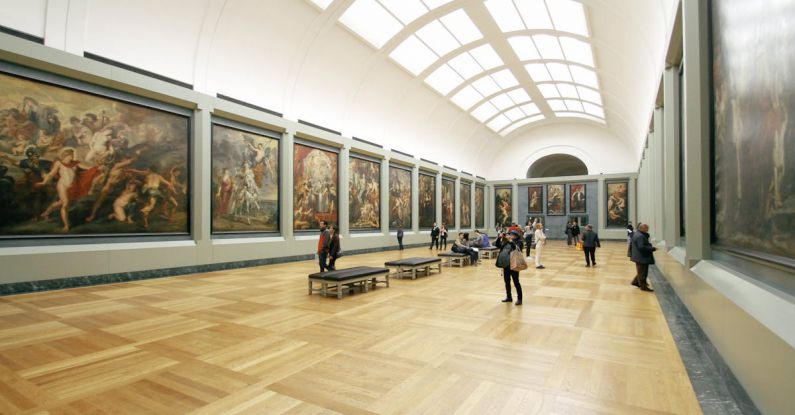
Known as the world’s largest art museum and a historic monument in Paris, the Louvre is a must-visit for any art lover. Home to thousands of works of art, including the iconic Mona Lisa and the Venus de Milo, the museum’s vast collection spans thousands of years and various civilizations. Visitors can spend hours wandering through its grand halls and marveling at some of the most famous artworks in history.
The British Museum, London, UK
With a collection that spans over two million years of human history, the British Museum in London is a treasure trove of artifacts from around the world. From Egyptian mummies to the Rosetta Stone, the museum’s exhibits offer a glimpse into the diverse cultures and civilizations that have shaped our world. A visit to the British Museum is a journey through time and a chance to explore the stories of humanity.
The Prado Museum, Madrid, Spain
As one of the most important art museums in the world, the Prado Museum in Madrid is a must-visit for art enthusiasts. Housing an impressive collection of European art from the 12th to the early 20th century, the museum boasts works by renowned artists such as Velázquez, Goya, and El Greco. Visitors can immerse themselves in the rich artistic heritage of Spain and beyond as they explore the museum’s vast galleries.
The Uffizi Gallery, Florence, Italy
Located in the heart of Florence, the Uffizi Gallery is a treasure trove of Renaissance art and one of the most famous museums in Italy. Home to works by artists such as Michelangelo, Botticelli, and Leonardo da Vinci, the museum’s collection is a testament to the artistic genius of the Renaissance period. Visitors can admire iconic masterpieces such as Botticelli’s “The Birth of Venus” and experience the beauty and elegance of Italian art.
Rijksmuseum, Amsterdam, Netherlands
The Rijksmuseum in Amsterdam is the Netherlands’ national museum and a showcase of Dutch art and history. Housing a vast collection of paintings, sculptures, and decorative arts, the museum offers a comprehensive overview of Dutch culture and heritage. Visitors can admire works by Dutch masters such as Rembrandt and Vermeer, as well as unique artifacts that tell the story of the country’s rich history.
The Vatican Museums, Vatican City
Home to one of the most extensive art collections in the world, the Vatican Museums in Vatican City are a must-visit for art and history enthusiasts. From the Sistine Chapel with Michelangelo’s iconic frescoes to the Raphael Rooms with their stunning paintings, the museums offer a glimpse into the artistic legacy of the Catholic Church. Visitors can explore the vast galleries and marvel at the beauty and grandeur of the Vatican’s art collection.
In conclusion, Europe’s top museums offer a window into the rich tapestry of art, history, and culture that defines this diverse continent. From iconic masterpieces to unique artifacts, these museums provide a unique opportunity to explore the past and present of Europe through its artistic and cultural heritage. Whether you’re a seasoned art enthusiast or simply curious about the world around you, a visit to Europe’s top museums is sure to be a memorable and enlightening experience.