Preserving Cultural Heritage: The Role of Museums
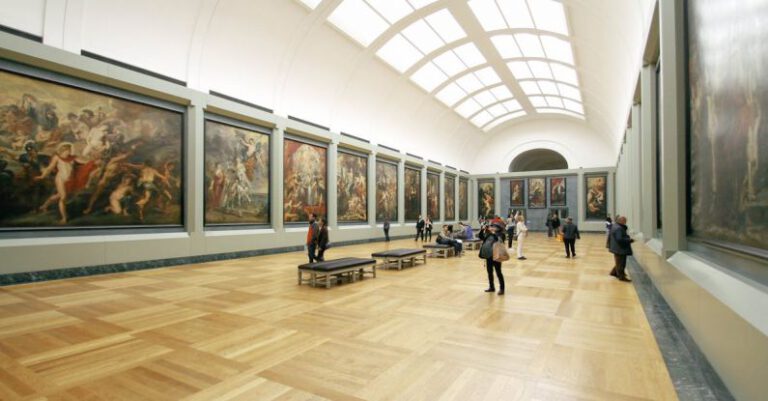
Cultural heritage is a vital aspect of society that reflects the history, traditions, and values of a community. Museums play a crucial role in preserving and protecting this heritage for future generations. Through a combination of innovative techniques and traditional methods, museums ensure that cultural artifacts and artworks are safeguarded and accessible to the public. Let’s delve into the intricate process of how museums preserve our cultural heritage.
Conservation and Restoration Techniques
One of the primary functions of museums in preserving cultural heritage is through conservation and restoration techniques. Conservation involves the preventive care and treatment of artifacts to prevent deterioration and ensure their longevity. This process may include controlling temperature and humidity levels, implementing proper storage techniques, and using specialized materials for display.
Restoration, on the other hand, focuses on repairing and reconstructing damaged or deteriorated artifacts. Highly skilled conservators work meticulously to restore artworks to their original state while maintaining the integrity of the piece. These techniques ensure that cultural artifacts remain intact and visually appealing for future generations to appreciate.
Advanced Technology in Preservation
In the digital age, museums are increasingly turning to advanced technology to aid in the preservation of cultural heritage. Techniques such as 3D scanning, digital imaging, and virtual reality are revolutionizing the way artifacts are documented and showcased. Through digital preservation, museums can create detailed records of artifacts, allowing for virtual exhibitions and enhanced research opportunities.
Furthermore, the use of digital platforms enables museums to reach a global audience, providing access to cultural heritage that may be geographically distant. This accessibility not only promotes cultural diversity but also fosters cross-cultural understanding and appreciation.
Educational Outreach and Public Engagement
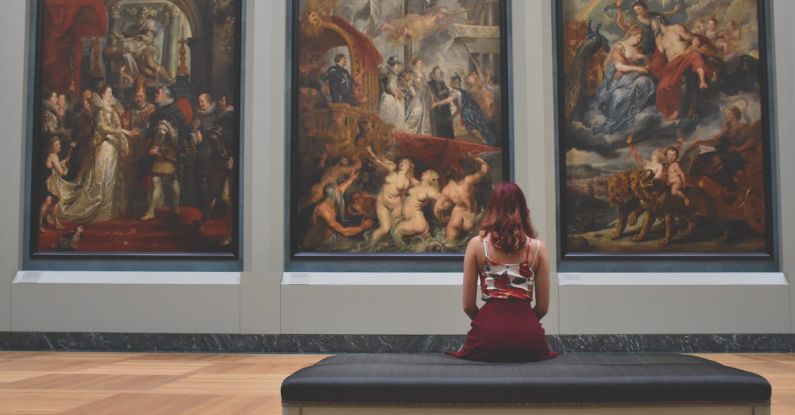
Museums also play a vital role in educating the public about cultural heritage through exhibitions, workshops, and educational programs. By engaging with visitors of all ages, museums create opportunities for individuals to learn about and interact with cultural artifacts firsthand. These educational initiatives aim to instill a sense of appreciation and respect for cultural heritage, fostering a deeper understanding of our shared history and identity.
Moreover, public engagement initiatives encourage dialogue and reflection on the significance of cultural heritage in contemporary society. By facilitating discussions and community involvement, museums promote inclusivity and diversity, ensuring that cultural heritage remains relevant and accessible to all.
Collaboration and Partnerships
Preserving cultural heritage is a collaborative effort that often involves partnerships between museums, cultural institutions, and communities. Through collaborative projects, museums can share resources, expertise, and knowledge to enhance the preservation and promotion of cultural heritage. By working together, institutions can pool their resources to undertake ambitious conservation projects, research initiatives, and exhibitions that celebrate cultural diversity and heritage.
Furthermore, partnerships with local communities and indigenous groups are essential in ensuring that cultural heritage is preserved ethically and respectfully. By involving community members in the preservation process, museums can incorporate diverse perspectives and traditions, enriching the narrative of cultural heritage preservation.
Safeguarding Cultural Heritage for Future Generations
As custodians of our cultural heritage, museums play a crucial role in safeguarding and preserving artifacts and artworks for future generations. Through a combination of conservation techniques, advanced technology, educational outreach, and collaborative partnerships, museums ensure that cultural heritage remains a vibrant and integral part of society.
By embracing innovation and inclusivity, museums continue to uphold their responsibility in preserving and promoting cultural heritage, ensuring that our rich and diverse history is preserved for generations to come.