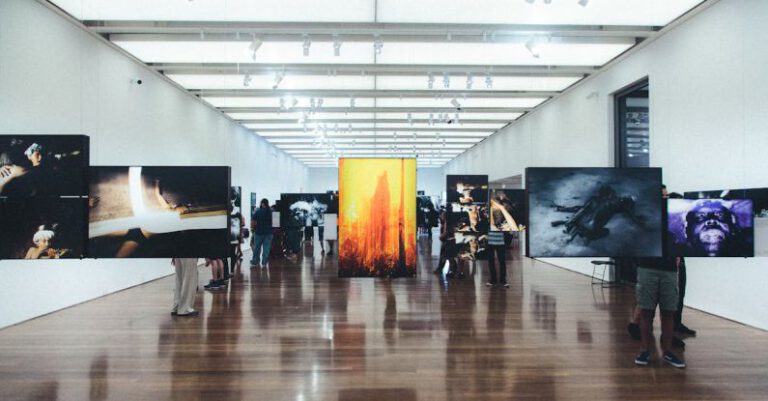

Art has always been a reflection of society, and modern art is no exception. With its diverse forms and abstract representations, analyzing modern art requires a keen eye and an understanding of various techniques. Whether you’re a seasoned art enthusiast or a newcomer to the art scene, delving into the world of modern art can be both intriguing and enlightening. But how can one effectively analyze modern art? Let’s explore some techniques that can help unravel the complexities of contemporary artistic expressions.
Understanding Context and Background
Context is key when it comes to analyzing modern art. Before diving into an interpretation, it is essential to understand the historical, social, and cultural background of the artwork. Modern art often responds to and reflects the issues and events of its time, providing valuable insights into the artist’s intentions and the underlying messages of the artwork. Researching the artist’s biography, the time period in which the artwork was created, and the prevailing artistic movements can provide a deeper understanding of the piece.
Exploring Form and Composition
Modern art is known for its diverse forms and unconventional compositions. Analyzing the form and composition of a piece can offer valuable clues about the artist’s intentions and artistic choices. Pay attention to elements such as color, line, shape, texture, and space. Consider how these elements interact with each other and contribute to the overall aesthetic of the artwork. Is there a sense of harmony or discord? Does the composition draw your eye to a specific focal point? Analyzing the formal elements of a piece can help uncover hidden meanings and create a deeper connection with the artwork.
Interpreting Symbolism and Metaphor
Symbolism and metaphor are often used in modern art to convey complex ideas and emotions. When analyzing a piece of modern art, look for symbols, motifs, and metaphors that may carry deeper significance. These symbolic elements can range from subtle visual cues to more overt representations of concepts or themes. Consider the use of recurring symbols or unconventional imagery in the artwork. What do these symbols represent, and how do they contribute to the overall meaning of the piece? Interpreting symbolism and metaphor can enrich your understanding of the artwork and open up new avenues of interpretation.
Engaging with Emotions and Subjectivity
Modern art has the power to evoke strong emotions and elicit personal responses from viewers. When analyzing modern art, it is important to engage with your own emotions and subjectivity. How does the artwork make you feel? What thoughts and associations does it evoke? Consider your initial reactions to the piece and how they may evolve as you spend more time with the artwork. Remember that there is no right or wrong way to interpret art; each viewer brings their own unique perspective and experiences to the analysis. Embracing your emotions and subjectivity can lead to a more meaningful and personal connection with the artwork.
Considering the Artist’s Intentions
While analyzing modern art, it is crucial to consider the artist’s intentions and motivations behind the artwork. Artists often use their work as a form of self-expression, social commentary, or exploration of artistic concepts. Researching the artist’s statements, interviews, and previous works can provide valuable insights into their creative process and the ideas behind the artwork. Consider how the artist’s intentions align with your own interpretation of the piece. Are there discrepancies or surprising revelations that challenge your initial assumptions? By considering the artist’s intentions, you can gain a deeper appreciation of the artwork and the creative vision behind it.
Applying Critical Theory and Artistic Movements
Critical theory and artistic movements provide valuable frameworks for analyzing modern art within a broader cultural context. By exploring critical theories such as feminism, postcolonialism, or psychoanalysis, you can uncover hidden layers of meaning and social critique in the artwork. Consider how the artwork engages with or subverts traditional artistic conventions and societal norms. Additionally, studying artistic movements such as surrealism, abstract expressionism, or pop art can offer insights into the stylistic influences and thematic concerns of the artwork. By applying critical theory and considering artistic movements, you can situate the artwork within a larger discourse and appreciate its significance in the art world.
Embracing Ambiguity and Openness
Modern art is often characterized by its ambiguity and openness to interpretation. Rather than seeking definitive answers, embrace the ambiguity of the artwork and allow yourself to engage with its multiple layers of meaning. Modern art invites viewers to question, explore, and reimagine the boundaries of artistic expression. Be open to different interpretations and perspectives, and allow the artwork to provoke new insights and reflections. By embracing ambiguity and openness, you can experience the richness and complexity of modern art in all its diverse forms.
Conclusion: Unveiling the Layers of Modern Art
Analyzing modern art is a multifaceted process that requires a combination of observation, research, and critical thinking. By understanding the context and background of the artwork, exploring its form and composition, interpreting symbolism and metaphor, engaging with emotions and subjectivity, considering the artist’s intentions, applying critical theory and artistic movements, and embracing ambiguity and openness, you can unravel the layers of meaning and significance embedded in modern art. Each artwork is a unique window into the artist’s creative vision and the complexities of the world we inhabit. So next time you encounter a piece of modern art, take a moment to appreciate its nuances and let it spark your imagination and curiosity.